
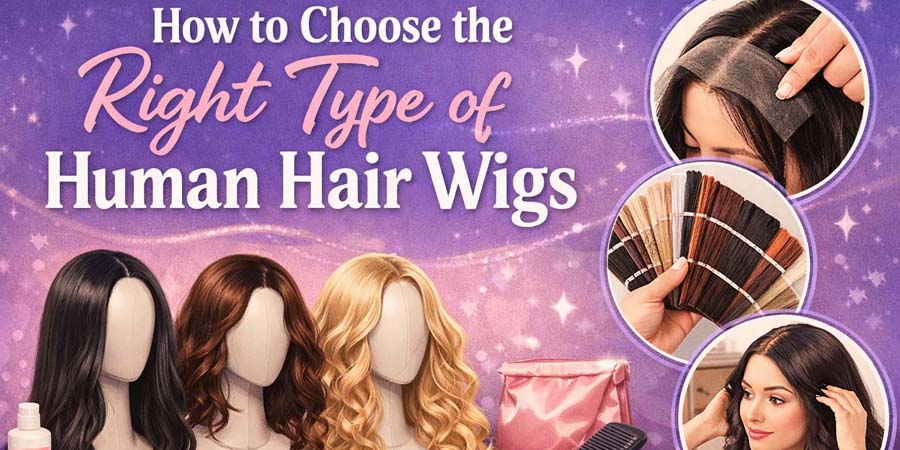
In the modern wig market, human hair wigs come in various types, each with its unique features and benefits. The main categories include Lace Front Wigs, Full Lace Wigs, Monofilament Wigs, Skin Top Wigs, Silk Top Wigs, 360 Lace Wigs, U-Part Wigs, and Custom Wigs. Understanding these different types can help brands recommend the most suitable products to their customers, meeting diverse needs effectively.
Lace Front Wigs feature a lace material at the front of the wig, creating a very natural hairline. The transparency of the lace makes it appear as if the hair is growing directly from the scalp. This type of wig is lightweight and breathable, ensuring comfort even during prolonged wear. However, since the lace only covers the front part, the styling flexibility is somewhat limited, making it less ideal for users who frequently change hairstyles. Lace Front Wigs offer a cost-effective option for customers who prioritize a natural hairline and are looking for a high-quality wig experience.
Full Lace Wigs use lace material to cover the entire wig cap, offering maximum styling versatility. Wearers can freely change the parting and even tie up the hair without compromising the overall natural look. Although Full Lace Wigs are more expensive due to their complex and time-consuming production process, the realistic effect and variety of styling options they provide are unparalleled. Full Lace Wigs are an excellent choice for high-end brands, particularly those serving customers who value diverse styling possibilities and a natural appearance.
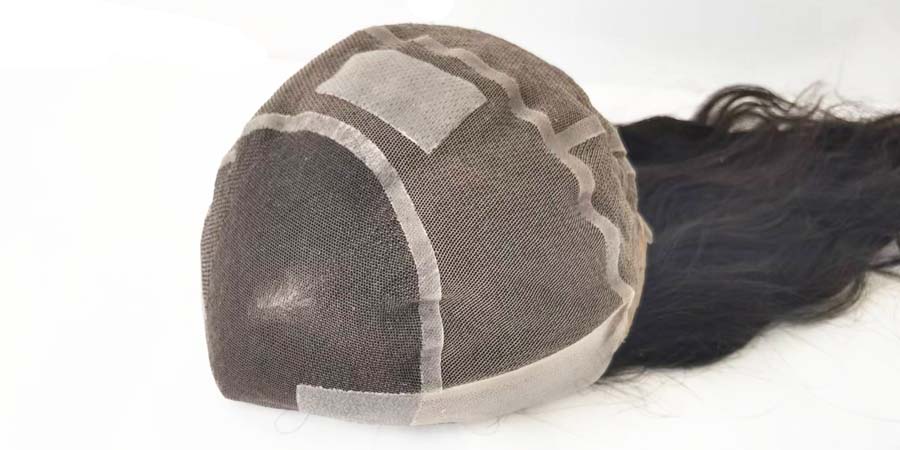
Monofilament Wigs are known for their use of monofilament material, which closely mimics the appearance of a natural scalp, making the hair look as though it is growing naturally from the head. This type of wig offers a highly realistic effect and allows the wearer to adjust the parting freely. However, Monofilament Wigs are relatively expensive due to their intricate construction and lack the breathability of lace materials. These wigs are best suited for customers seeking the highest level of realism and are willing to pay for superior quality.
Skin Top Wigs use a scalp-like material at the top of the wig, providing an extremely realistic look, especially at the roots. The hair appears to be growing directly from the scalp, making it visually very natural. This wig is ideal for customers who prioritize a highly realistic appearance. However, its breathability is somewhat limited, which may cause discomfort during prolonged wear. Skin Top Wigs are a perfect choice for customers who demand an extremely natural look but wear the wig for shorter periods.
Silk Top Wigs feature a silk material covering the top portion of the wig, effectively concealing the knots and creating a smooth and natural appearance at the top. The sheen of the silk enhances the overall quality of the wig, giving it a more luxurious look. Although Silk Top Wigs are heavier and more expensive, they are an excellent option for customers who seek a refined and high-end appearance. Brands can position Silk Top Wigs as premium products, catering to customers with high standards for quality and appearance.
360 Lace Wigs combine a lace front with lace around the perimeter, offering greater flexibility in styling. Whether it's a high ponytail or an updo, this wig type provides a natural hairline effect from any angle, making it ideal for users who enjoy versatile hairstyles. Despite the complex manufacturing process and higher cost, the styling freedom offered by 360 Lace Wigs is unmatched by other types. These wigs are a great option for mid-to-high-end markets, particularly for customers with high demands for styling versatility.
U-Part Wigs feature a U-shaped opening at the top or front, allowing the wearer to blend a portion of their natural hair with the wig. This design creates a very natural hairline and simplifies the installation process. U-Part Wigs are ideal for customers who wish to retain part of their natural hairline. However, this type of wig may not be suitable for everyone, especially those with limited natural hair length and density. Brands can position U-Part Wigs as a practical choice, appealing to customers seeking a simple yet natural look.
Custom Wigs offer fully personalized options, allowing customers to choose any base type, color, length, and style according to their individual needs. This custom service ensures that customers receive the most suitable wig, tailored to their specific preferences. Although Custom Wigs require a longer production time and are more expensive, they provide the best way to offer a unique product experience. Brands can market Custom Wigs as luxury items, attracting high-end customers willing to pay a premium for a one-of-a-kind wig.
Each type of human hair wig offers unique advantages and is suited to different customer needs. Brands should choose the appropriate product line based on customer demands and budget. By thoroughly understanding the characteristics of each wig type, brands can better meet customer expectations and succeed in the highly competitive wig market.

 © 2009 Qingdao Kingshow International Co., Ltd.


